


"Parents located in the northern part of London seeks an remarkable and skilled instructor to assist their youngest child on his first steps to growing into an English gentleman."
Looking at this listing, you might readily overlook the phrase "initial stages" as simple an expression.
Yet, it may be the most important aspect of this distinctive job advert, as it seeks to find a mentor for a 12-month-old.
Numerous of submissions have now been received since the anonymous family advertised their call for the £180,000 per year tutor, who needs to be "an exceptional individual".
During the past few weeks, the advert has gained interest across the press, with numerous asking why?
Progressive Approach
A tutoring expert, chief executive of an education consultancy, which is helping the family in their quest, said that despite first doubt, he found the concept "far sighted", and "innovative".
When he met the family, he noted they recognized the unusual character of their demand, and how immature their son is.
But, they clarified that they "preferred not to postpone any longer" to engage a tutor, as they had held off until their elder sibling was five, and by that age "cultural bias had already taken hold".
What exactly did the family mean by "cultural predisposition"?
It's "everything", he responded. "How you eat, the manner you speak".
He stated the older sibling had adopted "really subtle, body language" from the family, and had assumed their cultural habits. The family explained to him they wished to avoid history to recur with their new baby.
The plan: To hire a British tutor, who must speak with RP, to influence the baby from the very start.
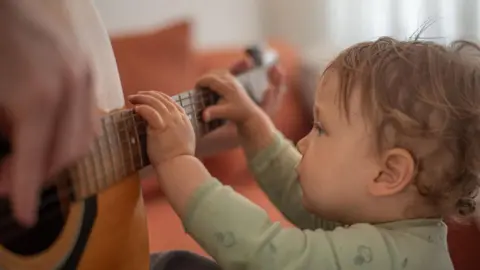
Osmotic Learning
"Much of the learning at the outset here is kind of absorbed naturally," stated the expert.
It's via this subtle influence that the family are expecting the child will adopt the British traits they aim to instil.
Adam said the tutor must be somebody who attended "the appropriate educational institutions – comparable categories of schools as the family hope to send their son to".
"The educator just has to be the right kind of person, they'll be doing things they don't even know they're doing, just naturally," he said.
Expense Not a Factor
The family informed the expert the chosen tutor should ideally also have understanding of or interest in riding, alpine skiing, the arts and musical activities so as to shape the child in a wide range of hobbies.
Additionally though, he explained the family hoped the tutor to enrol the child on a range of lessons so the child would be "pony-riding and learning an instrument by the time they are around three years old".
In the family's minds, helping their son develop into a "UK sophisticate" will lead to achievement and open doors.
"For all the advantages and disadvantages of that, because it's undoubtedly a status symbol," he comments.
Yet, in spite of all this guidance in "UK identity", might the child adopt alleged cultural bias from the international family he is raised by anyway?
"Absolutely", answered Adam. "They know this could fail, but they've merely embraced the attitude of, 'why not attempt it and we should start as early as we can', because the cost of it is not relevant," he said.
Idealistic and Unrealistic
There are some in the tutoring industry who express these reservations.
An education leader, CEO and founder of an educational organization, who supplies personal educators, wrote that "the process of becoming bicultural, or actually, becoming oneself, is something that must be experienced personally, not designed."
He noted that he had emigrated from China to the Britain at the period of seven, and had been educated understanding and embodying dual heritages. He continued to learn at Cambridge University.
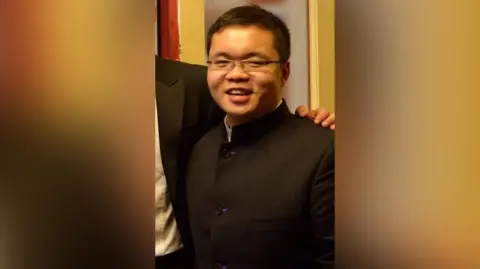
"The idea that one individual can serve as a embodiment of English culture, an individual who can somehow transfer the qualities of a English gentleman onto a infant child, seems to me idealistic and unrealistic," he wrote.
"In my experience, engaging a typically British tutor from early childhood will will not necessarily create the result they want.
"I wasn't provided with such a tutor, and nevertheless I have been fortunate enough to enjoy several of the opportunities they desire for their son."
He added: "The reality is, personal identity cannot be imposed from the external environment; it must be chosen, and it must be internally driven."
Buying Britishness
Certainly, Britishness is something Adam thinks can be taught – and commercialized.
"In my view the situation that the global community regards us in this regard is something that we should be cherishing|valuing|appreciating


